What Are the Biohazards at a Crime Scene?
The biohazards at a crime scene include blood, bodily fluids, human tissue, bloodborne pathogens, decomposition materials, sharps, and biological waste. Chemical hazards, such as drug residue, and physical hazards, such as broken glass, often exist alongside these biological hazards.
Call +1 (760) 606-5513What Makes a Crime Scene a Biohazard?
A biohazard is any biological substance that poses a health risk to humans. Blood, bodily fluids, human tissue, and pathogens turn a crime scene into a biohazard when they contaminate surfaces, furniture, or flooring. These materials carry infectious agents that transmit disease through direct contact, puncture wounds, or inhalation of aerosolized particles. Contaminated surfaces retain bloodborne pathogens for extended periods, which increases exposure risk for anyone who enters the scene without protective equipment. A Biohazard Cleanup Service evaluates every affected surface before starting remediation, since porous materials such as carpet and drywall absorb contamination more deeply than hard surfaces like tile or metal.
What Are the Main Biohazards at a Crime Scene?
There are 7 main categories of biohazards at a crime scene: blood and bodily fluids, body tissues and body parts, bloodborne pathogens, decomposition materials, sharps and needles, biological and medical waste, and chemical or drug contamination that coexists with biological hazards.
Blood and Bodily Fluids
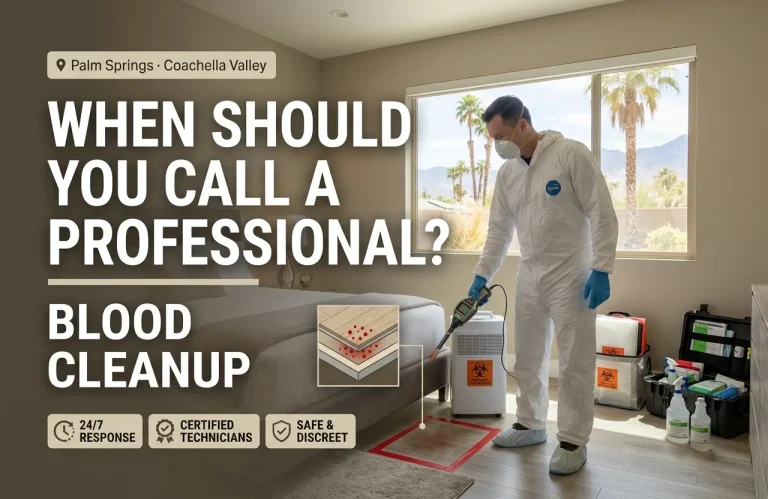
Blood and bodily fluids are the most common biohazards at a crime scene. Bodily fluids include saliva, vomit, urine, and other bodily fluids that may contain infectious agents. Blood carries bloodborne pathogens such as Hepatitis B, Hepatitis C, and HIV, which transmit through open wounds, mucous membranes, or broken skin.
Blood Cleanup requires EPA-registered disinfectants and controlled disposal, since standard household cleaning products do not eliminate bloodborne pathogens from porous surfaces.
Body Tissues and Body Parts
Body tissues and body parts create biological contamination that requires controlled handling under state and federal regulations. Human tissue decomposes rapidly and releases fluids that spread contamination beyond the immediate area.
Trauma Cleanup technicians remove tissue and affected materials using sealed, leak-proof containers to prevent cross-contamination during transport and disposal.
Bloodborne Pathogens
Bloodborne pathogens are microorganisms present in blood that cause disease in humans, including Hepatitis B, Hepatitis C, and HIV. Exposure occurs through needle-stick injuries, contact with broken skin, or splashes to the eyes, nose, or mouth.
According to the CDC, bloodborne pathogens remain infectious on surfaces for hours to several days, depending on environmental conditions. Professional Biohazard Cleanup reduces this exposure window through immediate containment and disinfection.
Decomposition and Unattended Death
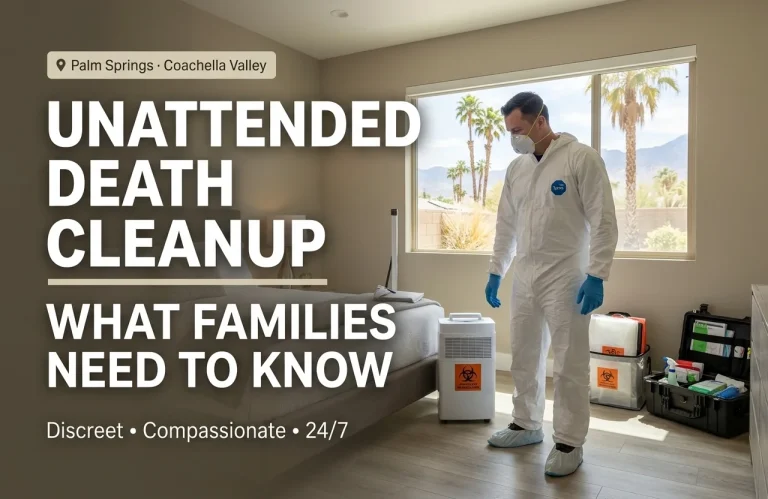
Decomposition produces biological fluids, purge fluid, and strong odors that contaminate flooring, subflooring, and surrounding materials. An unattended death scene allows decomposition to progress for hours or days before discovery, which increases the volume of biological contamination.
Unattended Death Cleanup addresses both the visible contamination and the odor-causing bacteria embedded in affected surfaces.
Sharps and Needles
Sharps and needles present puncture and contamination hazards at a crime scene. Needles, scalpels, and broken glass carry dried blood or bodily fluids, which transmit bloodborne pathogens through a single puncture wound.
Sharps Cleanup uses puncture-resistant containers and OSHA-compliant disposal procedures to prevent injury during collection and removal.
Biological and Medical Waste
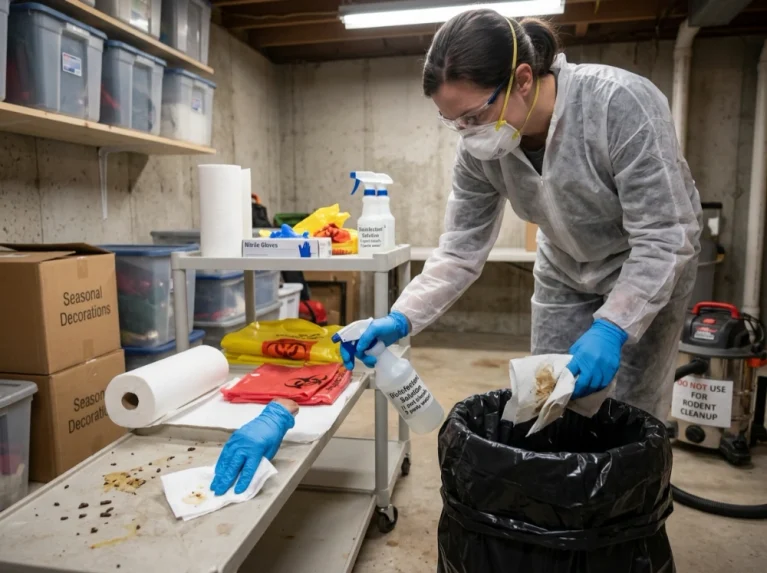
Biological and medical waste includes microbiological waste, contaminated materials, and other infectious waste generated during a crime scene cleanup. This category covers items such as soiled bandages, contaminated PPE, and absorbent materials used during remediation.
Biohazard Waste Removal transports this waste to licensed medical waste facilities in compliance with state and federal disposal regulations.
Chemical and Drug Contamination
Chemical and drug contamination differs from biological contamination, though the two often coexist at crime scenes involving overdose, drug manufacturing, or violent crime. Chemical residues from narcotics, cleaning agents, or accelerants require separate handling protocols from biological hazards. Chemical Contaminant Cleanup identifies and neutralizes these substances before biological decontamination begins.
What Other Hazards Can Exist at a Crime Scene?
Three hazard categories exist at a crime scene: biological hazards, chemical hazards, and physical hazards.
Biological Hazards
Blood, bodily fluids, human tissue, bloodborne pathogens, and biological waste. These hazards pose infection risk and require Biohazard Cleanup using EPA-registered disinfectants and controlled disposal methods.
Chemical Hazards
Drug residue, chemical byproducts from drug manufacturing, and other hazardous substances found at a crime scene. Chemical Cleanup addresses these substances separately from biological contamination.
Physical Hazards
Broken glass, unstable structures, and other dangers that create injury risk independent of biological contamination. Crime Scene Cleanup technicians assess physical hazards during the initial inspection.
Why Are Crime Scene Biohazards Dangerous?
Crime scene biohazards are dangerous because they transmit infectious disease through direct contact, puncture injuries, inhalation, and contaminated surfaces.
- 1
Direct contact with blood or bodily fluids exposes broken skin or mucous membranes to bloodborne pathogens.
- 2
Puncture injuries from sharps introduce pathogens directly into the bloodstream.
- 3
Inhalation of aerosolized particles during decomposition or cleanup spreads bacteria into the respiratory system.
- 4
Contaminated surfaces retain infectious material long after the initial incident, extending exposure risk to anyone entering without protective equipment.
Professional Biohazard Cleanup eliminates these exposure routes through controlled containment and disinfection.
How Are Crime Scene Biohazards Professionally Cleaned?
Crime scene biohazards are professionally cleaned through 5 stages: hazard assessment, containment and PPE use, biohazard waste removal, cleaning and disinfection, and final decontamination.
Hazard Assessment and Inspection
Identifies the contamination type, affected areas, exposure risks, and materials requiring remediation. Porous materials such as carpet padding often require full removal rather than surface disinfection. This Inspection Service step determines the scope and cost of the remediation project.
Containment and PPE
Technicians seal off the affected area with physical barriers and wear protective equipment, including gloves, respirators, and full-body suits. Biohazard Cleanup protocols require PPE disposal after each use to prevent contamination transfer between work areas.
Biohazard Waste Removal
Involves controlled collection, containment, handling, and disposal of contaminated materials in leak-proof, labeled containers, transported to a licensed medical waste facility.
Cleaning and Disinfection
Cleaning, disinfection, sanitizing, and decontamination represent 4 distinct steps. Cleaning removes visible contamination, disinfection eliminates pathogens, sanitizing reduces microbial presence, and decontamination addresses deeper penetration in porous materials.
Final Decontamination and Assessment
Technicians conduct a final inspection to confirm the area meets safety standards before returning it to occupants. A Biohazard Cleanup Service documents this final assessment for insurance and liability purposes.
Why Hire Professional Crime Scene Cleanup?
Professional crime scene cleanup provides specialized training, PPE, contamination control, waste handling, and professional-grade equipment that residential cleaning cannot match.
- Technicians hold certifications in bloodborne pathogen handling and OSHA compliance standards.
- Professional-grade equipment removes contamination from porous materials that household products cannot penetrate.
- Professional Biohazard Cleanup manages legal waste disposal requirements, protecting property owners from regulatory liability.
Crime Scene Biohazard Cleanup in Coachella Valley
Coachella Valley Crime Scene Cleanup provides biohazard remediation services for residential and commercial properties throughout the region. Technicians respond to blood cleanup, unattended death cleanup, and trauma scene cleanup calls using OSHA-compliant containment and disposal methods.
Crime Scene Cleanup in Palm Springs
Palm Springs Cleanup Service covers biohazard remediation for properties in the Palm Springs area, including blood cleanup, decomposition cleanup, and biohazard waste removal.
Frequently Asked Questions
What Is the Most Common Biohazard at a Crime Scene?
Blood and bodily-fluid contamination represent the most common biohazard at a crime scene. Blood Cleanup addresses this contamination using EPA-registered disinfectants designed for bloodborne pathogen elimination.
Are Bodily Fluids Considered Biohazards?
Bodily fluids are considered biohazards when they may carry infectious agents such as bloodborne pathogens. Saliva, vomit, and urine fall into this category during crime scene or trauma cleanup. Bodily Fluid Cleanup treats all bodily fluids as potentially infectious until confirmed otherwise.
Can Blood at a Crime Scene Carry Pathogens?
Blood at a crime scene can carry pathogens, including Hepatitis B, Hepatitis C, and HIV. Not every blood sample contains these pathogens, but visual inspection cannot confirm the absence of infectious agents. Biohazard Cleanup treats all blood as potentially infectious for this reason.
Are Needles and Sharps Biohazards?
Needles and sharps are biohazards due to puncture and contamination risks. A single needle-stick injury transmits bloodborne pathogens directly into the bloodstream. Sharps Cleanup uses puncture-resistant containers to prevent injury during collection.
When Is Professional Crime Scene Cleanup Needed?
Professional crime scene cleanup is needed for situations involving blood, bodily fluids, decomposition, extensive contamination, sharps, or difficult cleanup conditions. Crime Scene Cleanup Service providers assess each situation to determine the appropriate remediation scope.
A Biohazard Situation Doesn’t Wait
Licensed, certified, and available across the Coachella Valley.